How to Choose the Right City Tours in Barcelona
Choosing among city tours barcelona takes more than picking the first appealing title. Barcelona rewards a little planning because its old streets, major landmarks, busy transport links and popular districts can feel very different depending on how a visit is structured. A good choice matches your time, energy, interests and practical limits. The aim is not to find a tour that promises everything, but one that fits the way you want to see the city.
Start with the way you want to move
The first decision is the format. Walking tours suit people who want to read streets, squares and buildings at a human pace. They work well in the Gothic Quarter, El Born, the waterfront and the older parts of Eixample, where short distances often reveal a lot. The trade-off is fatigue. Barcelona sidewalks can be busy, heat can build up in summer, and cobblestones and steps are not ideal for everyone.
Bus based tours reduce the physical demand and help link places that are far apart, such as Montjuïc, Sagrada Família and the waterfront. They can feel less personal, and much of the experience happens through a window. Bike tours sit between the two. They cover ground efficiently and give a stronger sense of the city, but they require confidence in traffic and comfort with shared paths.
Watch for vague wording such as city highlights if you want detail. A clear route, a stated duration and a plain description of the transport give you something concrete to compare. If the listing avoids saying how long the tour lasts or how much walking is involved, treat that as a point to check rather than a minor omission.
Decide what you want the tour to explain
Barcelona has several layers, and different tours emphasise different ones. Architecture focused routes may cover Gaudí, Catalan modernisme and the grid pattern of Eixample. History focused routes may concentrate on the medieval streets, the city's Roman past, maritime trade or the Spanish Civil War. Food themed routes look at markets, local dishes and neighbourhood habits. Art focused routes might connect museums, public works and the stories behind them.
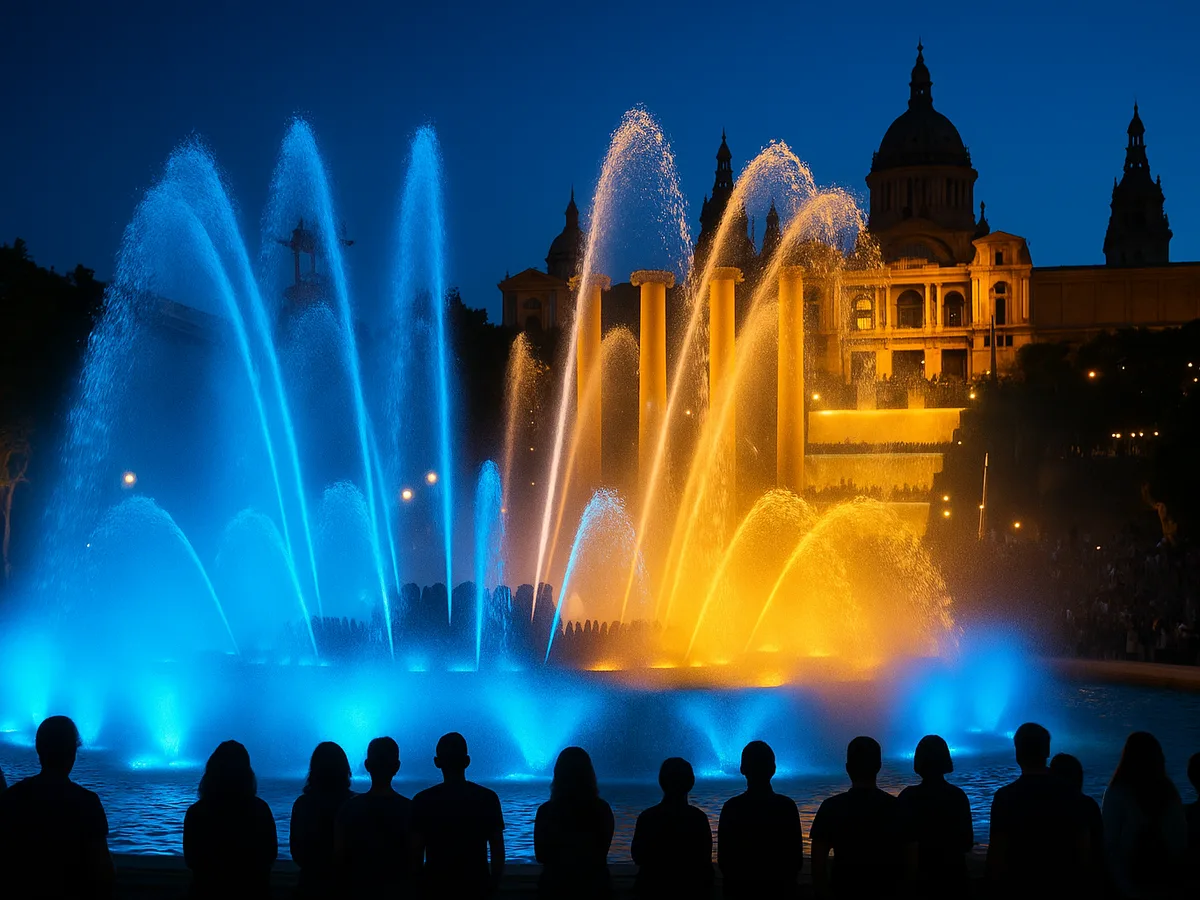
Write down two or three priorities before comparing options. If your main interest is architecture, a general overview that spends little time on buildings may feel thin. If you are visiting with children, a dense historical narrative may be hard to follow. A route that balances famous sights with neighbourhood streets often feels more satisfying than one that only ticks off landmarks.
Check whether entry to attractions is included or whether the route mainly views them from outside. Both can be valid. The problem comes when the description blurs the difference. Sagrada Família, Park Güell and major museums may need timed entry, and a route past a gate is not the same as going inside. Read the wording carefully so the tour matches what you expect to see.
Compare the route against your schedule
A tour that sounds excellent on paper can fail if it lands at the wrong point in your trip. A first morning is useful for orientation, especially if you want a sense of the districts before exploring alone. A later tour may suit travellers who prefer a slower start or who want to connect the experience with a meal or museum visit.
Look at the starting point and finishing point. A central start is easier if you are staying near the old city or a major transport hub. A finish near a metro station, a beach area or a known square makes the rest of the day simpler. If a tour ends far from where you plan to be, the extra travel can eat into the value of the experience.
Time of day matters too. Early routes tend to be calmer in popular areas. Midday routes can be brighter for photographs but busier around famous streets. Evening routes create a different mood, though they may cover fewer interiors. When comparing city tours barcelona, place the route on your own timetable rather than judging it in isolation.
Read the details that affect comfort
Practical details often decide whether a tour feels easy or tiring. Check the stated duration, the amount of walking, the language used and the group size. A long tour with few pauses can be difficult in warm weather. A short tour may still feel rushed if it tries to cover too many districts.
Accessibility deserves the same attention. If you need step free movement, frequent seating or a slower pace, do not rely on a broad claim that a route is easy. Look for specific information about surfaces, stairs, transport boarding and rest stops. When details are unclear, a direct question before booking is more reliable than guesswork.
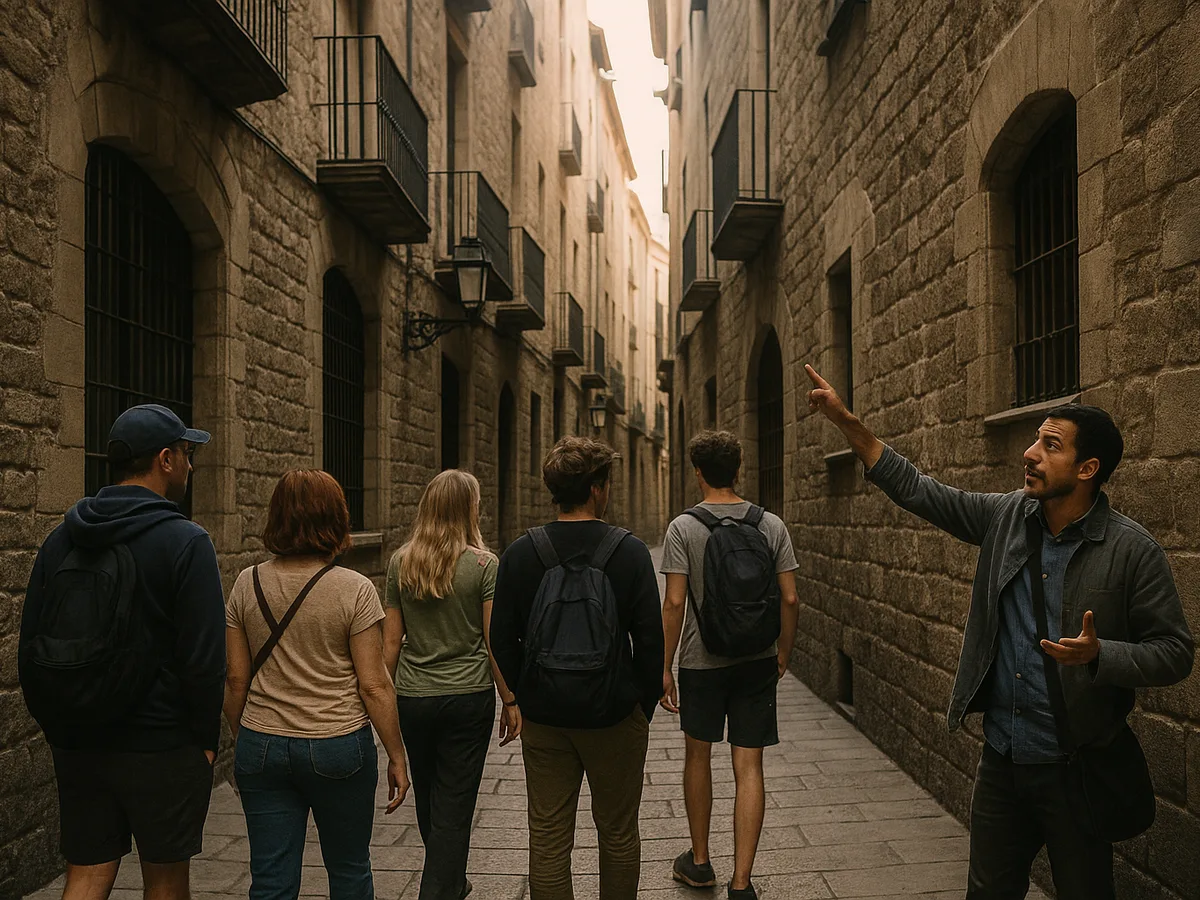
Weather can change the experience. Rain makes exposed squares and rooftop viewpoints less appealing, while strong sun makes shaded streets more valuable. A flexible route with some indoor stops can be a better choice in uncertain conditions. The aim is to match the tour to real conditions, not to an idealised image of the city.
Use brand names as reference points, not shortcuts
Names can help you organise comparisons, but they should not replace reading the actual offer. City Tour in Barcelona may appear alongside other options while you research routes and formats. Treat it as one reference point among several, then compare the concrete details in the same way you would for any other listing.
Some travellers prefer a familiar name when sorting through many choices. Others focus first on route, timing and price category. Both approaches can work. What matters is that the final choice is based on what the tour actually covers, how it fits your schedule and whether the practical demands suit your group.
During that comparison, City Tour in Barcelona official site may be one of the places you check for wording and route information. Use the same criteria everywhere: clarity of itinerary, stated duration, meeting arrangements and what is included. Consistent comparison prevents a polished title from masking a poor fit.
Check the small print before committing
Before making a decision, review the booking terms. Look for the cancellation window, changes to meeting points, minimum group requirements and any conditions tied to entry times. These details are not the exciting part of planning, but they can matter if travel plans shift or if a landmark closes unexpectedly.
Also check how updates are handled. A dependable listing should make it clear where to find changes and what happens if a route is altered. If the information is scattered or contradictory, pause and compare another option. Confusion before booking usually does not disappear on the day.
Reviews can help, but read them for patterns rather than a single dramatic opinion. Comments about pace, clarity, crowd size and time management are more useful than broad praise. Look for remarks from people with similar interests or constraints. If many reviews mention the same weakness, weigh it honestly.
Make the final choice with a simple test
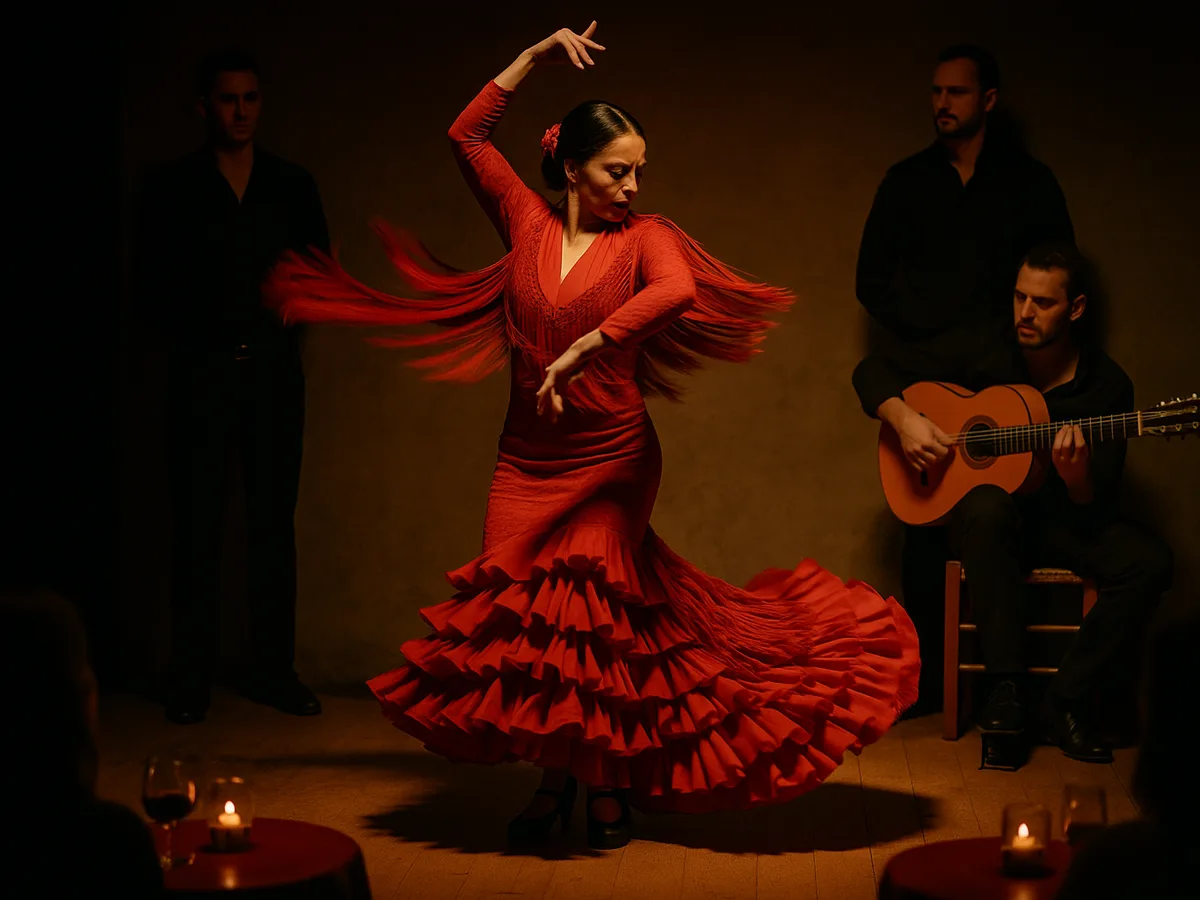
Once you have a shortlist, ask four questions of each option. Does the subject match your interests? Does the route fit your timetable and energy level? Are the inclusions clear? Are the practical terms acceptable? A tour that answers yes to all four is usually a stronger choice than one with an impressive list of sights but vague details.
It can help to picture the day around the tour. Leave time to get to the start, time to linger if a place catches your attention, and time afterward for a meal or rest. Barcelona is easy to overpack because so many landmarks sit close together. A focused tour with space around it often creates a better memory than a crowded schedule.
The right choice is the one that makes the city easier to understand, not the one that claims to cover the most. Set your priorities early, compare routes in the same terms and pay attention to comfort and timing. With those habits, the decision becomes clearer and the day itself feels far more relaxed.